Key Takeaways:
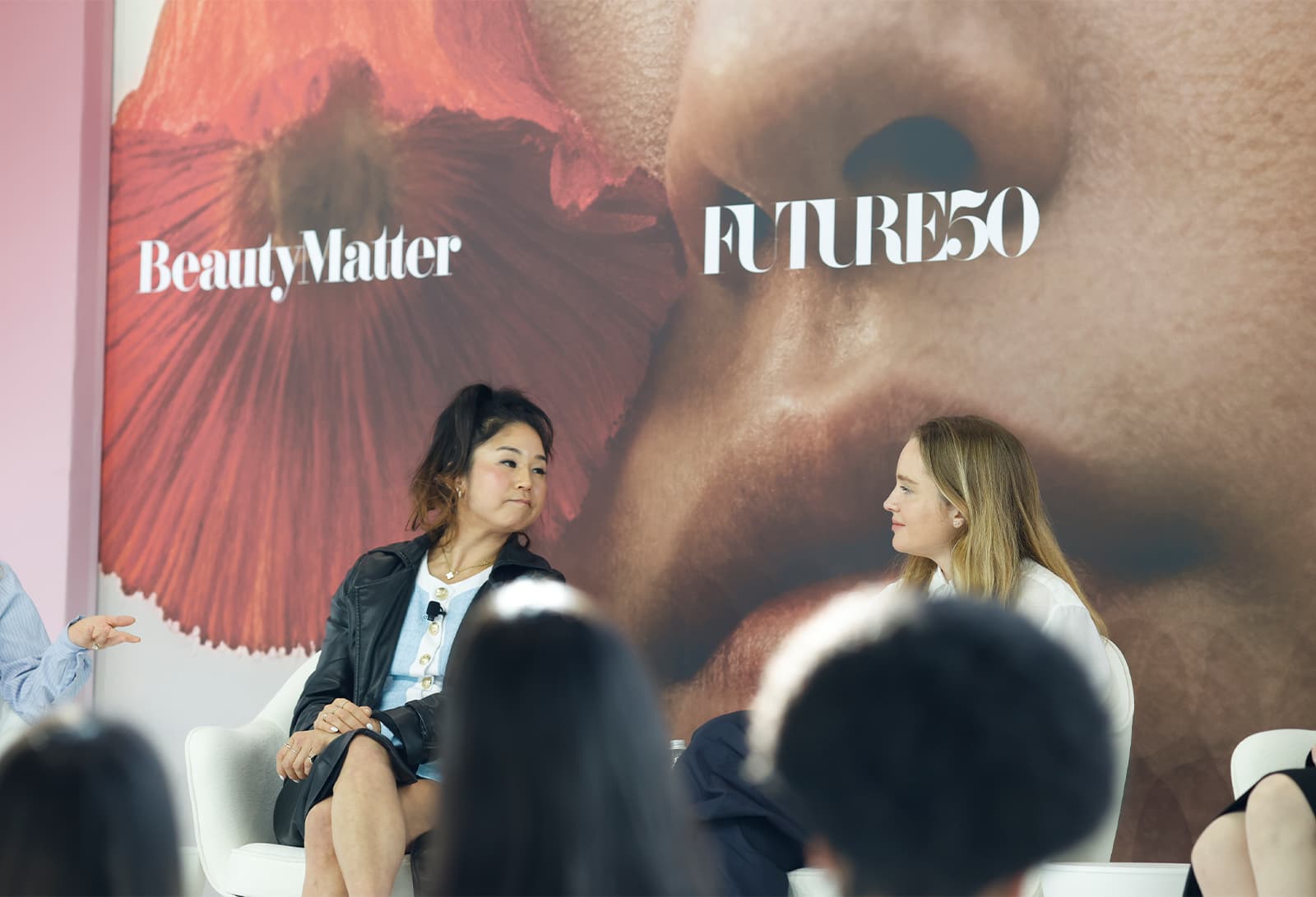
The closing panel at the BeautyMatter FUTURE50 2026 Summit, “The Wellness Shelf: Competing in the Beauty Retail Landscape,” tackled one of the most urgent questions facing the industry: As beauty and wellness continue to converge, what does it actually take for a wellness brand to succeed in a retail environment built for beauty?
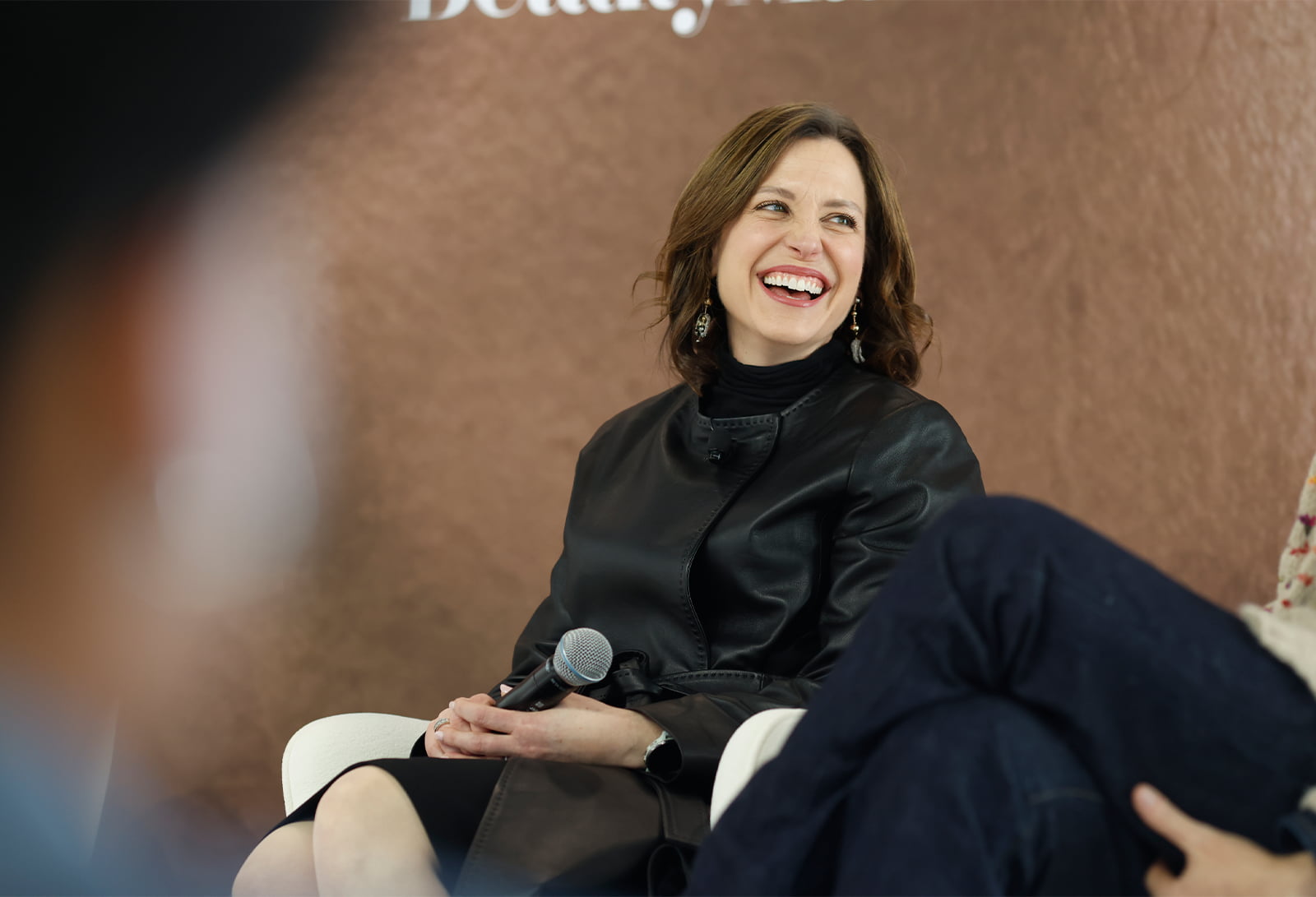
Hosted by Cristina Montemayor, Editor at BeautyMatter, the panel brought together Shizu Okusa, founder and CEO of Apothékary; Charlotte Cruze, co-founder and COO of alice mushrooms; Laura Beres, VP of Wellness at Ulta Beauty; and Lorne Lucree, member of the TOSLA Nutricosmetics Scientific Board, for a conversation that spanned merchandising, compliance, education, sensory appeal, and the future of ingestible beauty.
A central theme was that wellness is no longer a fringe industry adjacent to beauty retail; it is becoming a core part of the consumer journey. For Beres, the shift is being driven directly by the customer. “Seventy-two percent of our guests are already prioritizing wellness in their everyday lives,” she said, adding that two-thirds plan to increase their spending in the category over the next year. “Consumers want to look good, but they also want to feel good—and in many ways, beauty and wellness complete each other.”
That insight has shaped Ulta Beauty’s expanding wellness strategy, which includes supplements, intimate care, sleep, and stress-related products, all organized around routines. “Our guests are really into routines,” Beres noted. “They might be using a wrinkle treatment topically, and then pairing that with ingestible collagen; it’s about completing the journey.”
For founders, however, translating wellness into a beauty retail environment presents a unique challenge. As Okusa explained, the core difference lies in what’s being sold. “With beauty, people are coming in for aspiration. With wellness, people are coming in for transformation,” she said. “So you really have to sell the feeling—how do I want to feel, not just how I want to look.”
That distinction becomes especially important in-store, where wellness lacks the built-in advantages of beauty’s sensory-driven experience. Cruze pointed to sampling as a critical lever for bridging that gap, particularly because alice mushrooms’ chocolate format makes trial intuitive. “Everyone wants to try a bite of chocolate,” she said. “If you’re walking down the aisle and someone offers you a capsule, it’s a little like—what?”
Because the product delivers noticeable effects, the trial often converts quickly. “We’ll sample our focus chocolate, and people will come back 30 minutes later and say, ‘That was really good—I’m going to buy it,’” she added. “In beverages, they say ‘drinks to lips.’ For us, it’s ‘chocolate to lips.’”
Beyond sampling, education remains a major barrier, particularly for emerging ingredients like functional mushrooms. Cruze emphasized the importance of balancing information with approachability. “We’re constantly aware of what we have to overcome—helping people understand what a functional mushroom is, how it works, and making sure it doesn’t feel fringe,” she said.
Packaging, in that sense, has become a critical tool not just for differentiation but also for trust. Both Okusa and Cruze intentionally drew on beauty’s visual language to elevate wellness beyond its traditionally clinical aesthetic. “It’s no longer just that it has to work,” Beres added from her retail perspective. “It has to look beautiful, too; that’s what gets consumers to pick it up.”
For Okusa, that evolution has been iterative. After an early go-to-market phase, Apothékary underwent a full rebrand to better align with beauty cues in the zeitgeist while maintaining its roots in traditional herbal medicine. “It was like—go to market, learn some stuff, fail a little, and then relaunch,” she said. The result is packaging that blends heritage and modernity, though not without its learning curve. “We still have people at Ulta trying to put a tincture on their face,” she joked, pointing to the need for clearer in-store education around ingestibles.
While branding and experience are critical, the panel also underscored the growing importance of trust and compliance, particularly as ingestible beauty scales. Lucree emphasized that, unlike topicals, supplements operate under a different and often more complex regulatory framework. “You have to think about quality, safety, audits, ingredient testing—what your retail partners are going to require,” she said. “You’re essentially working backward from the channel.”
Cruze was even more direct about the risks of not following regulations. “At the beginning, it can feel like you can do anything— [the wellness industry] is a little unregulated,” she said. “But the brands that win are the ones thinking about this from day one.” She added that claims responsibility ultimately sits with the brand. “You own your claims from day one—for your consumers, your investors, everyone.”
Beres reinforced that scrutiny in retail is only increasing. “Consumer trust is the most important thing as you enter a category like this,” she said. “We do look at documentation, we do look at claims—and that’s only going to grow as the category grows.”
A more informed consumer is also shaping that trust. “Consumers today are coming in with way more knowledge than they were five years ago,” Beres noted, pointing to the role of digital platforms and AI in accelerating education. At the same time, adoption remains uneven, requiring retailers to serve both highly informed and entirely new wellness shoppers. “We see all kinds,” she said. “Our role is to meet them where they are and guide them.”
Looking ahead, Lucree pointed to a shift in innovation from single-ingredient solutions to more holistic, system-based approaches. “It’s no longer just gut health or brain health; it’s how those systems work together,” she explained, highlighting consumers' growing interest in areas like inflammation, stress resilience, and microbiome science.
Ultimately, the panel made clear that the future of wellness in beauty retail will be defined not just by efficacy but also by experience—how products taste, feel, look, and integrate into daily life. For Cruze, that future is also about reframing wellness itself. “For so long, it felt like something you had to endure,” she said. “We want to flip that—taking care of yourself can be joyful.”
Okusa echoed that sentiment, pointing to the opportunity to reintroduce ancient practices to modern consumers in new formats. “It’s about creating what customers don’t even know they need yet,” she said. “Bringing life back into traditions that have existed for thousands of years, and making them relevant today.”
As beauty and wellness continue to converge, success on the shelf will depend on a balance between science and storytelling, trust and tactility, transformation and joy.