





Key Takeaways:
As regulatory pressure intensifies and consumer awareness evolves, sustainability is increasingly viewed as a baseline expectation for beauty brands. At this year’s FUTURE50 panel, We Can Do Better: The Sustainability Imperative, held in New York City, Irene Forte of the eponymous skincare label, Alexandra Keating of Uni, and Liah Yoo of KraveBeauty, explored the operational realities of implementing responsible practices while maintaining commercial viability, highlighting both the progress made and the structural barriers that continue to slow industry transformation.
One of the central tensions discussed was the misconception that sustainability initiatives must directly translate into immediate sales uplift. Forte challenged this assumption, noting that sustainability’s commercial impact often manifests through long-term brand equity rather than short-term conversion metrics. “Yes, sustainability doesn’t sell, but it builds brand equity, loyalty, trust, which ultimately helps profitability,” she told the audience. For Forte’s brand, refill programs have proven particularly effective in building recurring revenue streams, accounting for 40% of hero product purchases and 70% of subscription [refill] orders.
Retail environments, however, present structural constraints that complicate adoption of refillable systems. Shelf productivity expectations often limit the number of SKUs retailers are willing to dedicate to refills, despite strong consumer demand in DTC channels. But Keating emphasized that demonstrating performance can help build the case for expanded retail presence. “For us, it really comes through in subscription, and it comes through in loyalty,” she explained, noting that consistent repeat purchase behavior signals long-term value creation for retail partners.
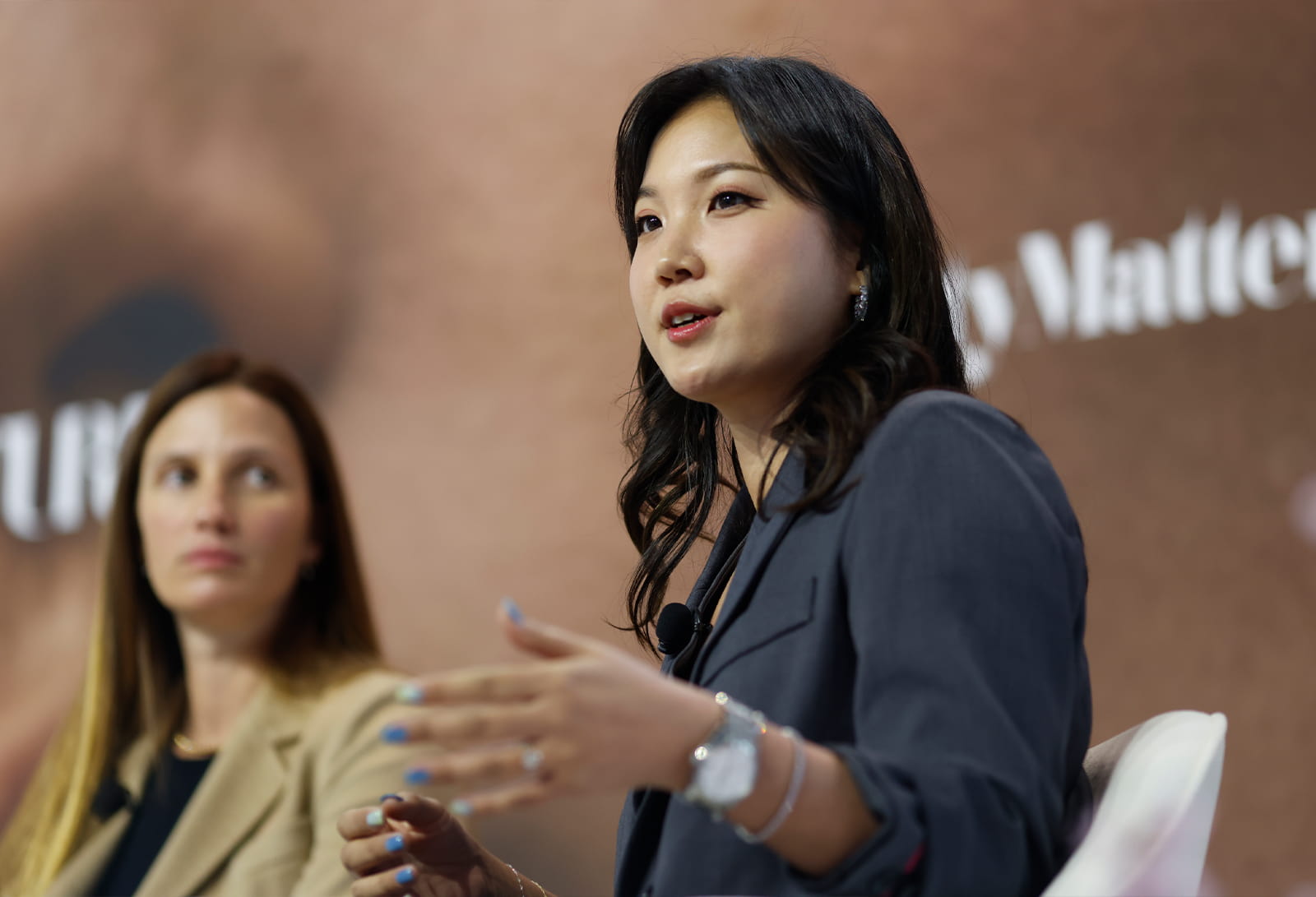
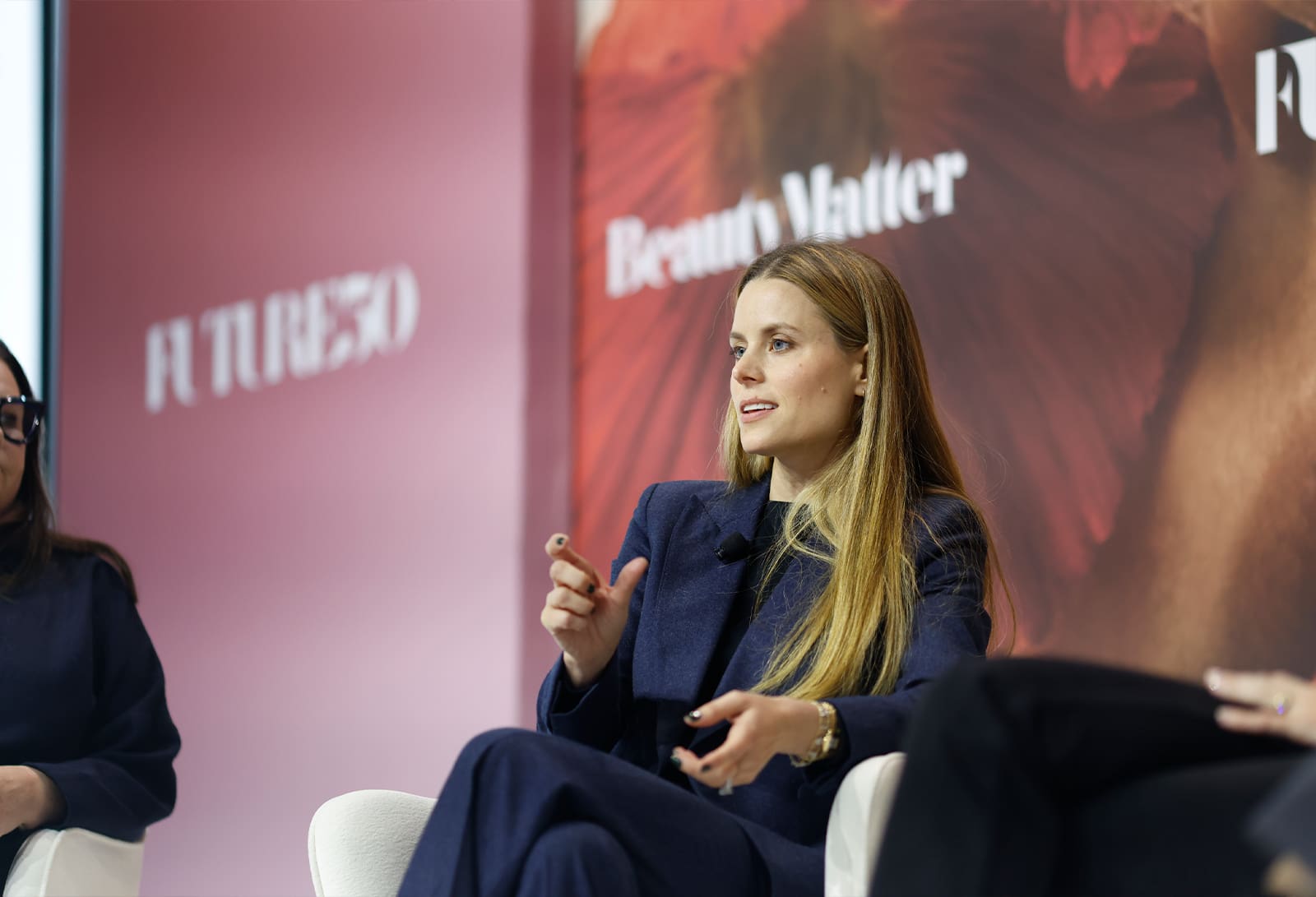
Transparency also surfaced as a powerful mechanism for consumer engagement. Yoo shared how a manufacturing error—a failed batch of facial cleanser—became an opportunity to build trust through openness rather than concealment. Rather than discarding the product, the company reformulated the batch into a limited-edition body wash sold through its “Waste Me Not” pop-up initiative. “When you make mistakes, don’t try to hide it. Be transparent about it,” she said to the crowd. The activation resonated particularly strongly with Gen Z consumers, who increasingly expect brands to demonstrate accountability across the product lifecycle.
Panelists also highlighted the importance of upstream supply chain collaboration in driving meaningful progress. From working with farmers to repurpose agricultural byproducts into cosmetic ingredients to investing in compostable packaging solutions, sustainability often requires cross-industry partnerships and long-term research investment. Yoo emphasized that many impactful changes occur at the raw material level, where traceability and waste reduction can significantly lower environmental impact.
Despite persistent cost pressures, speakers agreed that sustainability and profitability are not mutually exclusive. Rather, responsible sourcing, refill adoption, and transparent communication can contribute to stronger lifetime value and customer loyalty. As Forte suggested, environmental sustainability ultimately contributes to “a sustainable business with longevity,” reframing that responsibility as a driver of resilience rather than a cost center.
The panel ultimately concluded that while progress may be incremental, collective action across brands, suppliers, and retailers can impact how effectively the beauty industry can meet evolving environmental expectations.